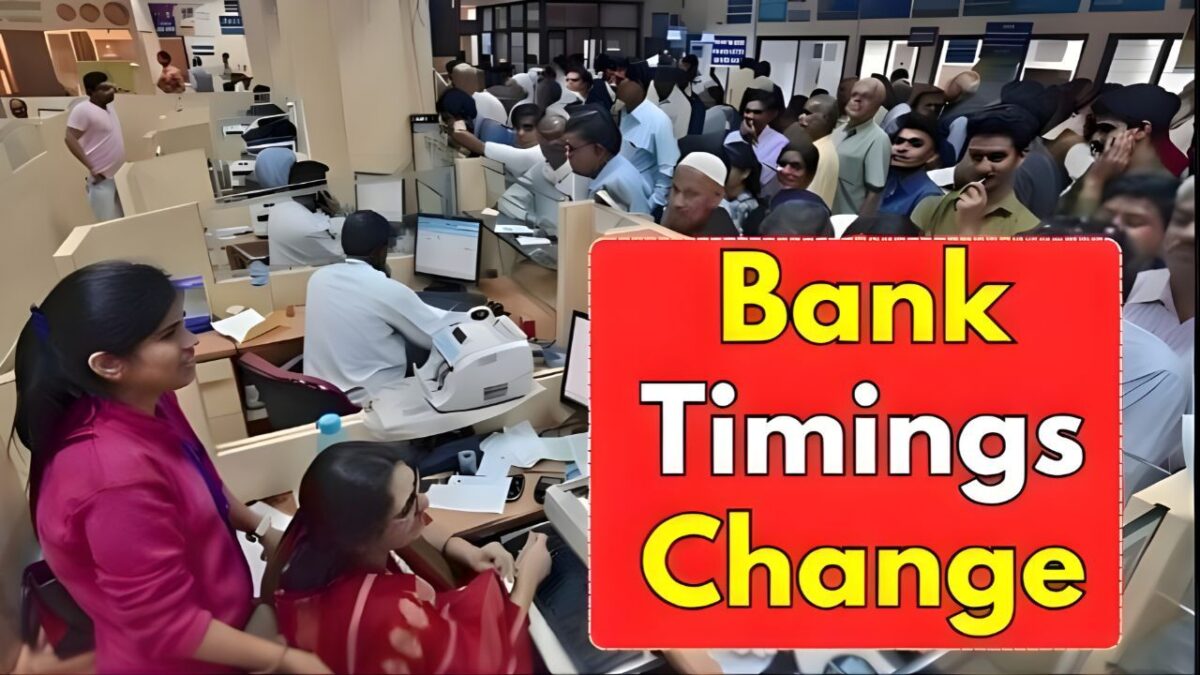
From February 1, 2026, banks across the country will roll out major updates to their branch operating hours, transforming customer access to in-person services. This nationwide shift focuses on optimizing peak periods, boosting operational efficiency, and complementing the rise of digital banking. Get ahead by learning how these bank timings changes affect your daily finances and how to navigate them smoothly.
With online platforms handling the bulk of everyday transactions, physical branches are evolving to prioritize complex tasks. These adjustments ensure better resource use while keeping essential services available when you need them most. Whether managing personal accounts or business needs, staying updated prevents any surprises.
Why Banks Are Updating Operating Hours Nationwide
The decision stems from shifting customer behaviors, where mobile banking apps and UPI dominate routine activities. Branch visits have declined sharply during non-peak times, prompting banks to consolidate hours for maximum impact. This move reallocates staff to high-traffic windows, improving response times.
Employee welfare plays a key role too, cutting down on extended shifts and fatigue. Regulatory bodies support this standardization to elevate industry performance overall. As digital adoption skyrockets, branches now specialize in specialized services like loan approvals and compliance updates.
These changes reflect a broader push toward sustainable operations in a tech-savvy world. Banks aim to deliver superior experiences during focused hours, blending tradition with innovation.
Detailed Breakdown of New Bank Opening and Closing Times
Effective February 1, 2026, standard branch hours will typically run from 9:30 AM or 10:00 AM openings to 3:00 PM or 4:00 PM closings. This schedule aligns with the routines of professionals and households, capturing midday demand effectively. Variations may apply based on location density.
Key Differences Between Urban and Rural Branches
Urban branches adopt stricter new bank hours to manage intense customer volumes efficiently. In contrast, rural outlets might extend slightly to accommodate areas with lower digital banking penetration. Contact your local branch or check official apps for exact details.
Weekend operations will also tighten, with many closing early on Saturdays and fully on Sundays. This gradual rollout helps ease the transition for everyone involved.
How In-Branch Services Will Be Affected
Traditional counter operations see the most direct impact under the bank operating hours revisions. Cash deposits, withdrawals, and cheque clearances will confine to these new windows only. Services like new account setups, KYC renewals, and loan consultations demand timely in-person attendance.
- Cash handling at counters: Strictly within daytime slots to optimize flow.
- Paperwork and verifications: Schedule ahead to beat potential lines.
- Advisory sessions: Reserve time slots promptly with dedicated staff.
Self-service kiosks will expand to handle simpler tasks, minimizing queues and enhancing speed.
Seamless Access Through Digital and ATM Services
Branch changes won’t disrupt 24/7 digital banking essentials. Fund transfers, utility bills, and account inquiries remain accessible anytime via apps, websites, and ATMs. Phone support and instant payment systems like UPI operate without interruption.
For after-hours urgencies, these channels deliver quick resolutions remotely. This reliability underscores banks’ commitment to uninterrupted service in a hybrid landscape.
Advantages of Transitioning to Digital Tools
Switching to apps eliminates branch queues and timing constraints. Enjoy real-time notifications, paperless statements, and AI-powered support for effortless management. Ongoing upgrades make these platforms more intuitive than ever.
Effects on Businesses and Corporate Banking
Businesses handling high-volume transactions must recalibrate around new bank timings 2026. Bulk cash movements and payments need alignment with core hours to avoid delays. Dedicated relationship managers will focus on scheduled meetings within these periods.
Small and medium enterprises should pivot to electronic transfers for steady cash flow. Larger corporations might secure priority windows through negotiations. Proactively audit payment schedules now to safeguard operations.
- Prioritize digital bulk processing for reliability.
- Book corporate slots in advance.
- Integrate banking APIs for automated workflows.
Essential Preparation Tips for Customers
Beat the changes by acting early—mark February 2026 bank changes in your planner and favor morning branch trips. Build habits around digital alternatives to maintain momentum.
- Install and activate your bank’s mobile app right away.
- Handle KYC and forms digitally when feasible.
- Verify local hours through official portals.
- Enable transaction alerts for security.
- Pre-arrange non-urgent appointments.
Maximize ATM networks for off-hours needs and train household members on app usage. These habits ensure frictionless banking long-term.
The Future of Banking: A Tech-Driven Transformation
These bank hour changes mark a pivotal evolution toward intelligent, customer-centric systems. AI tools, video verification, and chat support are expanding rapidly. Redeployed staff will excel in high-value areas like investment advice.
Globally, branches are repositioning as premium service centers. Feedback mechanisms will fine-tune implementations, promising ongoing improvements.
What’s Next After 2026?
Future enhancements include virtual extended hours, mobile pop-ups, and tailored access for vulnerable groups. Cybersecurity bolstering will support rising digital traffic. Stay vigilant on announcements to leverage these advances.
Wrapping Up: Thrive with the New Bank Timings
The bank timings change from February 1, 2026, heralds an era of streamlined, efficient banking nationwide. While physical access narrows, expansive digital ecosystems fill the gap powerfully. Master this shift by blending strategic branch use with everyday app reliance—your finances will thank you.
Preparation today unlocks tomorrow’s conveniences. Monitor bank communications, adapt proactively, and embrace the smarter, hybrid banking future. Navigate confidently and elevate your financial game.
When do the new bank timings start nationwide?
What are the typical new opening and closing hours for banks?
Will ATM and digital banking services be affected?
How should customers prepare for these bank timing changes?
Do corporate clients face the same timing restrictions?
