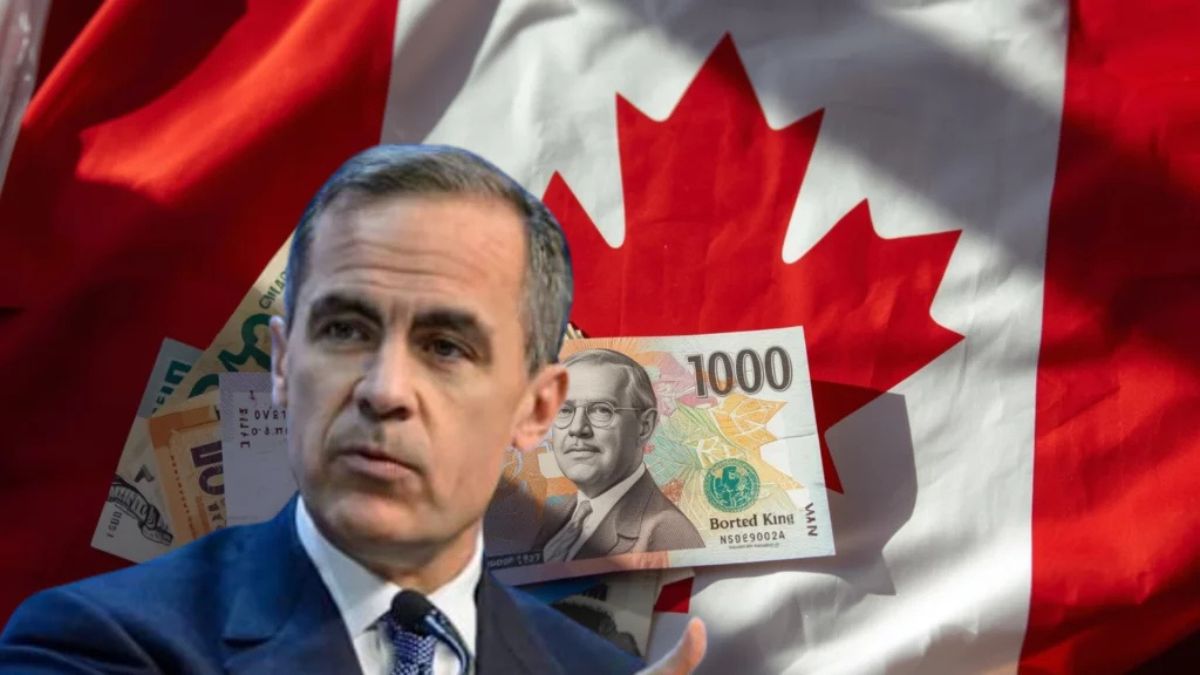
As Canada kicks off 2026, millions of eligible residents are set to receive a vital tax-free boost from the Canada Revenue Agency (CRA). This quarterly GST/HST rebate, confirmed at up to $533 per household for January, aims to ease the sting of sales taxes on everyday essentials like food, fuel, and housing. With direct deposits slated to hit bank accounts imminently, staying informed ensures you maximize this financial lifeline amid rising costs.
Understanding this rebate’s role in your budget is key. It automatically offsets the regressive nature of consumption taxes, providing targeted relief without paperwork hassles for most. Let’s dive into the details to help you prepare effectively.
What Is the GST/HST Rebate and Its Importance Today?
The GST/HST rebate is a government initiative that reimburses a portion of the Goods and Services Tax (GST) and Harmonized Sales Tax (HST) paid by Canadians. Launched to counteract how these taxes hit lower-income groups hardest on necessities, it delivers quarterly payments to promote fairness in the tax system.
In the current economic climate, where inflation lingers on groceries and energy bills, this program shines. For January 2026, the cap sits at $533, though actual amounts adjust based on personal circumstances. This isn’t just cash—it’s a buffer against unexpected expenses, helping families maintain stability.
Why does it matter now? With post-holiday spending and winter utility spikes, timely rebates prevent debt accumulation. The CRA’s confirmation brings certainty, allowing proactive financial planning.
Eligibility Criteria for the January 2026 GST/HST Rebate
Qualifying is straightforward if you’re compliant with tax filings. The CRA assesses eligibility using your latest income tax return, eliminating the need for applications in most cases.
To be eligible, you need to:
- Reside in Canada for tax purposes throughout the period.
- Be 19 years or older, or have a spouse/common-law partner or eligible children.
- Have submitted a recent tax return reflecting your current situation.
Income levels play a big role—low- and moderate-income households get the most, tapering off for higher earners. Life changes like marriage, divorce, or new dependents? Update the CRA promptly to avoid surprises.
Seniors and single individuals often qualify too, with provincial variations boosting amounts in HST-heavy regions like Ontario or the Atlantic provinces.
How This Rebate Bolsters Everyday Canadian Finances
Beyond tax relief, the GST/HST rebate acts as predictable quarterly aid. It cushions sales tax burdens on must-haves, freeing up funds for savings or debt reduction.
Key benefits include:
- Offsetting sales taxes that disproportionately affect essentials for budget-conscious families.
- Delivering consistent support every few months, aligning with peak spending periods like January.
- Providing immediate relief for heating costs, school supplies, or holiday aftermaths.
For a family of four earning modestly, this could cover a month’s groceries. It’s not welfare—it’s equity, ensuring taxes don’t exacerbate inequality.
Opt for Direct Deposit: The Quickest Path to Your Funds
Direct deposit remains the CRA’s gold standard for rebate delivery—fast, secure, and paperless. Enrolled recipients see funds appear overnight on payment day, often by early morning.
Cheques by mail? They’re slower, riskier, and prone to postal delays, especially in remote areas. Switching to direct deposit cuts wait times dramatically.
To set it up or verify:
- Log into your CRA My Account online portal.
- Confirm or add banking details (transit, institution, account numbers).
- Review address and personal info for accuracy.
Pro tip: Do this now, before the January rush. Many report receiving payments within 24 hours via this method.
Breaking Down the Rebate Calculation Formula
The CRA employs a precise, income-based formula for each household’s share. Factors include adjusted family net income, partner status, child count, and regional tax rates.
Core elements in the math:
- Household net income from T1 returns—lower means higher rebates.
- Family size, with extras for children under 19.
- Marital status—couples file jointly for optimized amounts.
- Provincial supplements for areas with HST or higher PST.
Quick Example Scenarios
A single low-income adult might pocket near the full $533. A couple with two kids and moderate earnings? Around $400-500, varying by province. High earners phase out entirely, typically above $50,000 net family income thresholds.
Use the CRA’s online estimator for a preview—input basics for an instant projection tailored to your situation.
Navigating Interactions with Other Government Benefits
Good news: The GST/HST rebate stands alone, untaxed and non-impactful on programs like Canada Child Benefit (CCB) or Canada Workers Benefit (CWB). Report it? No need—it’s excluded from taxable income.
This modularity lets benefits stack, amplifying support. For instance, pair it with CCB for child-rearing families or disability credits for vulnerable groups.
However, accuracy in tax filings ties it all together. Errors here ripple across programs, so double-check annually.
Avoiding Pitfalls: Common Rebate Delays and Fixes
Delays frustrate many—often from unfiled returns, stale info, or unlinked direct deposit. Rural folks face extra mail hurdles.
Prevention steps:
- File taxes early—even if expecting a refund.
- Update CRA records via My Account for address/spouse changes.
- Enroll in alerts for payment notifications.
If missed, contact CRA support or refile. Most issues resolve quickly with proactive steps.
Why the $533 Rebate Is a Game-Changer for Your Wallet
In summary, the confirmed $533 GST/HST rebate for January 2026 delivers tangible relief when it’s needed most. From tax fairness to budget breathing room, it empowers Canadians against cost-of-living pressures.
Act now: Verify eligibility, secure direct deposit, and plan its use—groceries, bills, or savings. This isn’t one-off aid; it’s recurring stability in uncertain times. Stay CRA-connected via their portal for seamless future payments, ensuring every dollar works harder for you.
With economic headwinds persisting, programs like this underscore Canada’s commitment to inclusive growth. Eligible? Expect that deposit soon and breathe easier.
What is the GST/HST rebate?
Who qualifies for the January 2026 rebate?
How do I get the rebate via direct deposit?
Does the rebate affect other benefits?
What if I don’t receive my rebate?
