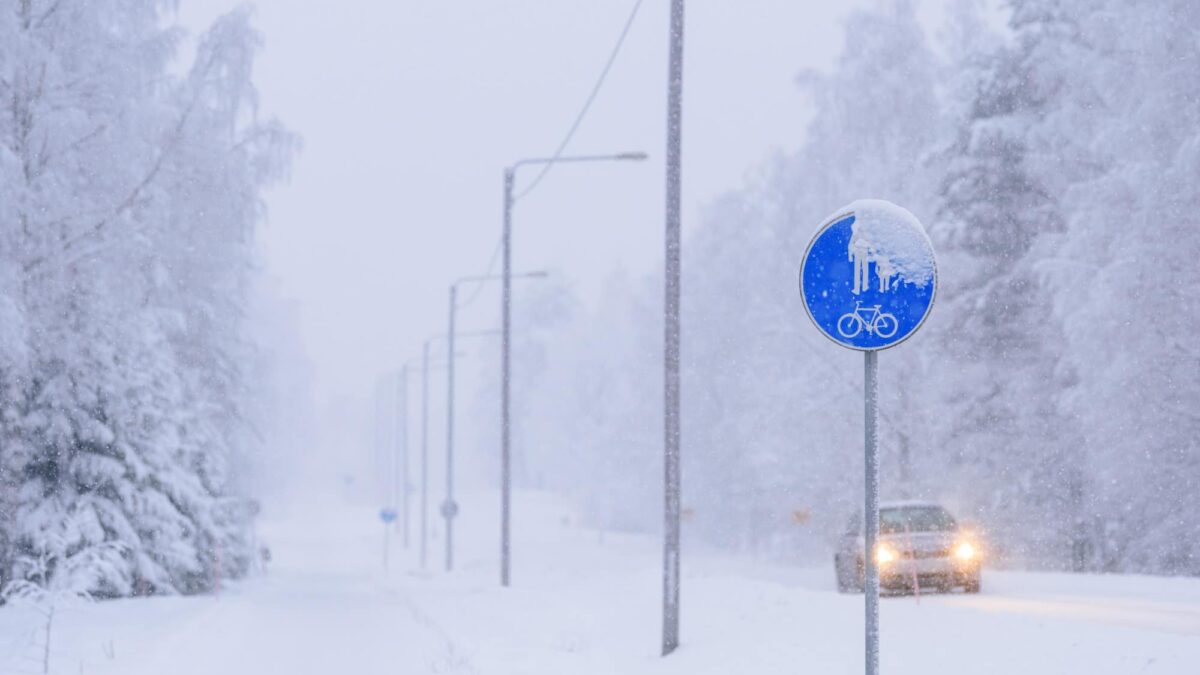
As the first hints of heavy snow appear in the evening sky, transforming familiar streets into a wintry haze, tension builds across the region. Commuters check weather apps frantically, public transport halts early, and local eateries post closure notices amid swirling gusts. This brewing storm pits public safety pleas from officials against the drive of businesses to soldier on, creating a familiar yet urgent winter standoff between caution and commerce.
The Severity of Tonight’s Heavy Snow Forecast
Forecasts warn of substantial accumulation—up to six to ten inches overnight—with biting winds reducing visibility and fostering dangerous black ice beneath the powder. Emergency services and law enforcement issue unified calls: avoid roads unless absolutely necessary. Plow crews mobilize with flashing lights piercing the dusk, preparing to battle snarled traffic on major arteries and neighborhood lanes alike.
This isn’t a light dusting; it’s a full-blown snowstorm poised to disrupt daily life. Past events remind us of the perils: jackknifed semis, stranded motorists, and overwhelmed responders. Heeding these predictions now can prevent chaos later.
Why Visibility and Ice Pose the Greatest Risks
Whiteout conditions blind drivers to hazards, while hidden ice turns braking into skating rinks. Even experienced locals underestimate these elements, leading to avoidable accidents.
Stay informed via official sources like NOAA updates or local alerts to gauge the storm’s progression accurately.
Clashing Priorities: Official Warnings Meet Business Demands
By late afternoon, advisories intensified to “travel discouraged,” blasted across radios, social feeds, and news tickers. Officials reference historical data—crashes spiking as snow falls—urging proactive choices over reactive regrets.
In contrast, retail hubs and distribution centers buzz with activity. Shoppers hoard staples like canned goods, flashlight batteries, and gallons of milk despite howling winds. Employees weigh shift paychecks against perilous drives home, while owners calculate lost sales in a competitive market.
This tension exemplifies the perennial winter challenge: safety protocols versus the imperative to generate income. Data favors hunkering down, but economic pressures whisper otherwise.
- Track real-time updates: Use apps like Weather Underground or local DOT feeds for closure alerts.
- Stockpile wisely: Gather supplies before roads worsen to sidestep pre-storm gridlock.
- Explore backups: Consider virtual meetings or rideshares with equipped vehicles.
Critical Questions Before Venturing Out in Heavy Snow
Before turning the key, conduct a mental audit with three pivotal questions: Is this journey essential? Can I handle the round trip safely? Who counts on my arrival unscathed?
Voicing these often shifts perspective. Veterans of harsh winters sometimes ignore worn treads or empty tanks, only for conditions to humble them swiftly.
Enforcement shares grim anecdotes from prior blasts: ditched cars in blizzards, delayed extractions amid high call volumes. A simple pivot to shelter spares everyone the ordeal.
Proven Tactics for Secure Winter Road Travel
Approach methodically—review traffic feeds over outdated predictions, de-ice fully, and define bail-out thresholds like two-inch buildup or fading sightlines.
- Vehicle checklist: Ensure fuel top-off, snow-rated tires, plus a kit with thermal wear, power bank, traction aids, and hydration.
- Contact protocol: Notify a contact of plans, timelines, and ping points.
- Smart routing: Stick to salted thoroughfares; postpone if clearing lags.
Such routines convert threats into manageable hurdles, safeguarding drivers and rides alike.
Managing Workplace Expectations Amid Snowstorms
Offices and shops become battlegrounds of expectation: leadership hints at attendance while broadcasts scream shelter-in-place. Emails dance around mandates, fostering guilt for absences.
Hourly workers risk docked pay or reliability knocks; independents forfeit prime hours. Yet, blizzard-force gales challenge standard cars, amplifying dilemmas.
Owners navigate fine lines too—shuttering a diner cedes revenue to competitors, but inviting crashes undermines goodwill. Instincts, projections, and weather models inform calls, often yielding hybrids like phased shutdowns or manager-backed opt-outs.
Leveraging Community for Balanced Decisions
Neighborhood solidarity emerges: SUV owners proffer carpools, leads grant leeway discreetly, households switch to curbside pickups. These adaptations reveal true values, elevating lives over ledgers.
Initiate candid employer chats about tele-options—most yield quietly. Harness peer support for transports or task swaps, easing burdens without remorse.
Strategic Approaches to Prioritize Safety and Sustainability
| Key Focus | Action Steps | Reader Benefit |
|---|---|---|
| Evaluate Trip Urgency | Pose necessity, viability, dependency queries | Reduces pressure for prudent no’s |
| Rig Your Ride | Inspect cams, load gear, fill up | Averts isolation, builds assurance |
| Harmonize Job Needs | Negotiate flex, tap networks, adjust schedules | Preserves earnings sans peril |
Structured planning underpins success. Regions following directives log fewer mishaps; prepped people thrive. Firms flexing build allegiance, showcasing agility.
Embracing Preparation for Storm Success
As darkness falls and heavy snow dominates, foresight dictates destiny. Mute distractions, heed metrics and intuition, opt astutely. Dawn brings plowed paths for the wise—operations rebound robustly.
Snowstorms probe character yet hone expertise. Prioritize protection, foster flexibility. Decisions echo: shield self, aid kin, conquer unscathed.
Ultimately, this heavy snow saga reaffirms essentials: welfare paramount, versatility vital. Obey edicts, equip diligently, converse freely. Navigate wisely tonight.
Should I drive to work if authorities advise staying off roads but my workplace remains open?
What essentials should be in my car for heavy snow driving?
Can employers penalize me for not driving in dangerous weather?
How do I tell my boss I’m uncomfortable driving without seeming unreliable?
What if I must travel—how to minimize risks in heavy snow?
